Why In News?
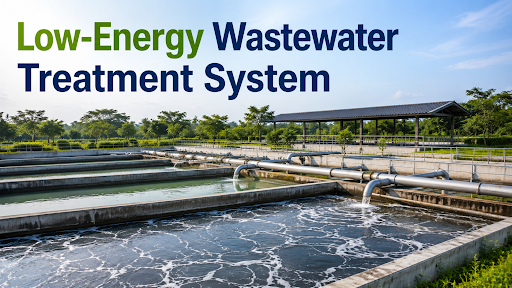
Researchers at BITS Pilani, Hyderabad Campus develop a low-energy technology to treat wastewater from vaccine and biopharmaceutical manufacturing.
What is Biopharmaceutical Wastewater?
Biopharmaceutical wastewater is industrial effluent generated during the manufacture of vaccines, antibiotics, biologics, enzymes, and other pharmaceutical products.
It contains live production microorganisms, residual antibiotics, antibiotic resistance genes (ARGs), Active Pharmaceutical Ingredients (APIs), organic solvents, nutrients, and heavy metals, making it far more hazardous than ordinary municipal sewage.
Public Health Risk: If discharged without advanced treatment, it promotes the spread of antimicrobial resistance (AMR) by releasing antibiotic residues and resistant bacteria into rivers and groundwater, posing a major environmental and public health threat.
What is the New Low-Energy Treatment System?
The new system replaces high-heat steam and heavy chemical use with Pulsed Electric Field (PEF) technology.
-
Stage 1: Short, high-voltage electrical pulses eliminate over 99.9999% of bacteria.
-
Stage 2: Biological treatment uses microorganisms to break down and remove over 90% of organic pollutants.
-
Stage 3: The process passes water through membrane filtration for reuse and converts leftover sludge into methane-rich biogas for plant energy.
Significance
Conserves Water: The technology enables large-scale recycling of treated wastewater, reducing freshwater consumption and supporting Zero Liquid Discharge (ZLD) practices in pharmaceutical industries
Reduces Energy Consumption: By eliminating steam-based autoclaving and minimizing chemical disinfection, the system significantly lowers energy use and operational costs while generating renewable energy through methane-rich biogas.
Combats Antimicrobial Resistance (AMR): Effective removal of pathogens, antibiotic residues, and antibiotic resistance genes prevents their release into the environment, supporting the National Action Plan on AMR.
Supports Sustainable Pharmaceutical Manufacturing: The technology reduces greenhouse gas emissions, chemical usage, and hazardous sludge generation, promoting cleaner production and circular economy principles.
Addresses Water Stress: India's annual per capita water availability declined to about 1,486 cubic metres in 2021, placing the country in the water-stressed category. Recycling industrial wastewater reduces pressure on freshwater resources in water-scarce regions.
Promotes Resource Recovery: Recovery of treated water and methane biogas converts industrial waste into valuable resources, improving resource efficiency and reducing dependence on fossil fuels.
Supports National Sustainability Goals: The technology advances the objectives of the National Green Mission, AMR containment strategy, Swachh Bharat Mission, and SDG 6 (Clean Water and Sanitation) and SDG 12 (Responsible Consumption and Production).
Source: TIMESOFINDIA
|
PRACTICE QUESTION Q. Water reuse and energy-efficient wastewater treatment are essential for achieving sustainable industrial development. Discuss. 150 words |